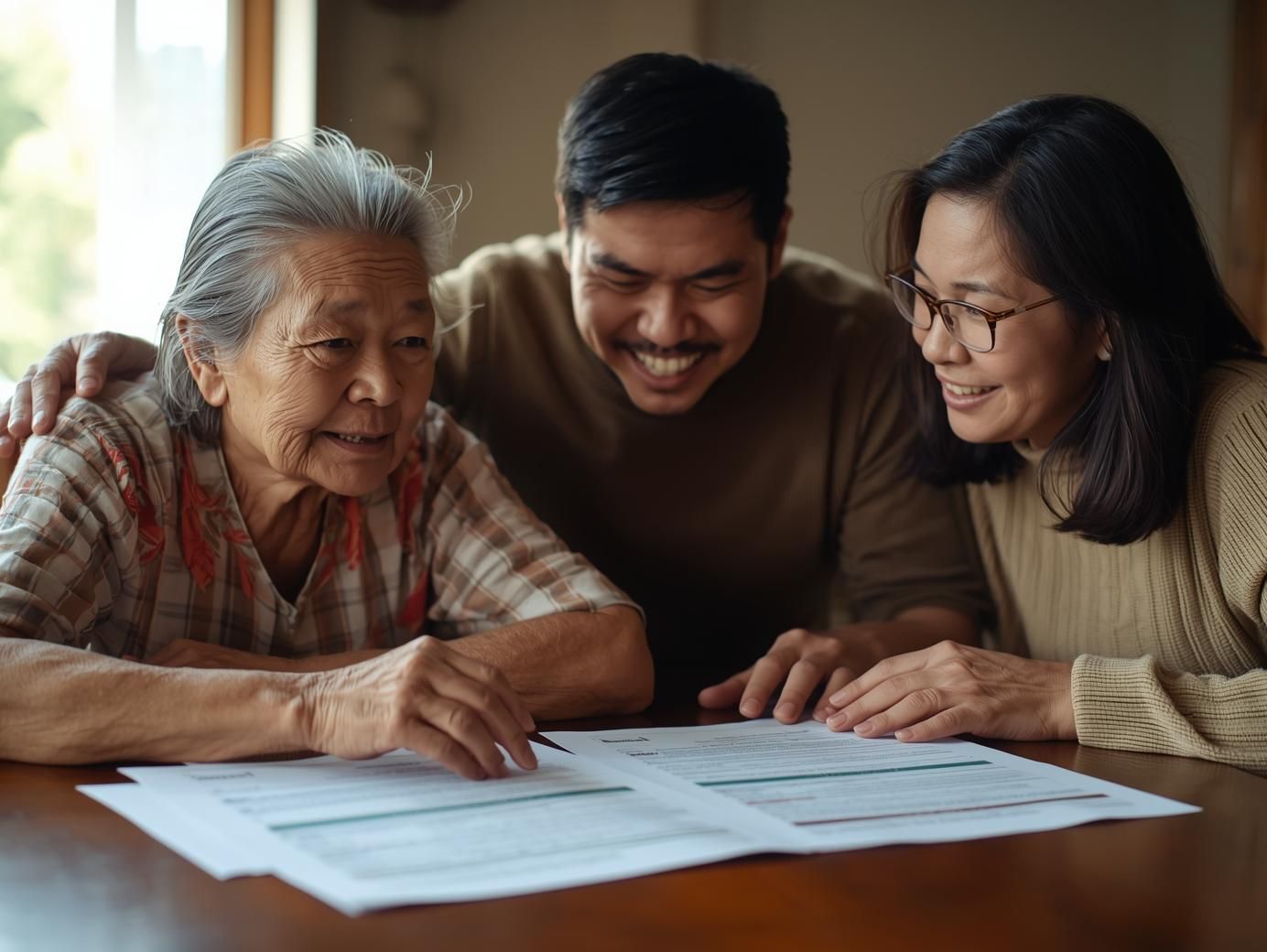

Seniors Mental Health
When people think about mental health, the focus often falls on younger generations. But seniors mental health is just as important — and sometimes even more critical. Aging brings unique challenges, including loneliness, grief, and health concerns, that can deeply affect emotional wellness. Unfortunately, these struggles are often mistaken as a “normal” part of getting older.
In this article, we’ll explore the emotional realities many older adults face, the gentle signs that may go unnoticed, and the powerful ways families, caregivers, and communities can offer meaningful support. Because caring for our seniors means supporting all areas heart, body, and mind. We’ll also discuss how home care services for seniors can play a pivotal role.
Key Takeaways
- Mental health is lifelong — Seniors deserve the same care and attention to emotional wellness as any other age group.
- Aging brings hidden challenges — Grief, illness, and shrinking social circles can increase the risk of depression and anxiety.
- Loneliness is a serious health risk — Isolation can lead to depression, cognitive decline, and reduced quality of life.
- Home caregivers make a difference — Compassionate support, companionship, and structure help seniors feel connected and valued.
- It’s never too late — With the right home care services, seniors can find joy, peace, and purpose at any stage of life.
Seniors Mental Health Challenges
Getting older isn’t just about the changes you see in the mirror. It’s a full-body, full-life shift. And with that shift comes emotional weight that isn’t always visible from the outside.
Many older adults go through major life transitions that can deeply affect their mental well-being. For some, retirement can bring new freedoms, yet it can also leave behind a quiet sense of lost purpose. The loss of a partner or close friends can bring deep waves of grief. Chronic illness or reduced mobility can limit independence, stirring frustration or anxiety. And as social circles shrink, it’s no wonder so many seniors face these challenges in silence.
Depression and anxiety in seniors often don’t show up the way we expect. Instead of talking about sadness, older adults might complain about body aches, fatigue, or a “loss of interest.” Too often, these signs are dismissed as simply part of aging, but they’re not.
Then there’s the mental toll of chronic illness, which is common in this age group. Heart disease, arthritis, diabetes… these aren’t just physical conditions; they can weigh heavily on someone’s mood and motivation.
Dementia also enters the picture for some. While it’s a separate condition, many people with dementia also experience anxiety, depression, or emotional distress, especially in the early stages when they’re aware of what’s happening.
Understanding these challenges helps us respond with more empathy and take action sooner. According to the Canadian Mental Health Association, nearly 1 in 4 seniors in Canada feels lonely or isolated, which directly impacts their emotional health.
Mental wellness in seniors isn’t a side issue. It’s foundational to overall well-being.
Warning Signs Often Overlooked
It’s easy to miss the signs when something’s wrong, especially with older adults. They might not say “I feel depressed” or “I’m anxious.” Instead, the signs show up in quieter, more subtle ways. And too often, those signs are dismissed as part of aging.
But here’s the truth: mental health struggles in seniors look different and recognizing them early can make a world of difference.

Here are some common signs that something more may be going on:
- Withdrawing from activities or people they used to enjoy
- Changes in appetite, sleep habits, or personal hygiene
- Increased irritability, restlessness, or mood swings
- Expressing feelings of hopelessness, worthlessness, or guilt
- Forgetfulness or trouble concentrating (that’s not always dementia)
- Physical complaints without a clear cause (like aches, fatigue, or digestive issues)
Sometimes the warning signs are subtle like avoiding phone calls, refusing to leave the house, or losing interest in favorite hobbies. These quiet changes can be red flags for depression, anxiety, or other emotional struggles that need care and attention.
According to the Canadian Coalition for Seniors’ Mental Health (CCSMH), many older adults with depression never receive treatment, in part because their symptoms go unrecognized by both loved ones and healthcare providers.
As caregivers and family members, we need to trust our instincts. If something feels off, it’s worth exploring. Mental health support for seniors doesn’t have to be complicated or clinical. It can start with one honest conversation, a check-in with a doctor, or a gentle suggestion to join a community activity.
The Role of Connection: Loneliness vs. Community
Human connection is a basic need, woven into who we are. Yet as people grow older, that sense of connection can quietly fade. Friends move, family gets busy, and physical limitations make it harder to get out. Little by little, loneliness takes hold.
Senior isolation isn’t just a sad reality – it’s a serious risk to mental health. Studies have shown that chronic loneliness is linked to depression, anxiety, cognitive decline, and even a higher risk of early death. For many older adults, especially those living alone or in rural areas, the lack of daily interaction can feel isolating.
But it’s not hopeless. Small shifts can bring big changes.
Simple ways to restore connection:
- Encourage daily phone calls or video chats with loved ones
- Help them join a local club, hobby group, or faith-based community
- Enroll in an adult day program or senior wellness center
- Sign up for a friendly visitor or check-in call service
In Canada, the Canadian Red Cross Friendly Calls Program offers free, regular phone calls to help isolated seniors feel seen and supported. Community doesn’t always have to be big. It just needs to be consistent. Even one meaningful connection can remind someone that they’re not alone.
Support Systems That Make a Difference
When it comes to mental health in older adults, one of the most powerful things we can offer, beyond love, is structure. A reliable support system can create the kind of emotional safety that helps seniors not just cope but thrive. For many families, though, it’s hard to know where to start.
Here are a few key types of support that can make a lasting impact:
Professional Mental Health Services
Therapists and counselors who specialize in mental health care for seniors can help older adults navigate grief, anxiety, life transitions, and more. Therapy doesn’t have to be long-term or intense. Sometimes just having a non-judgmental person to talk to makes all the difference.
Many organizations now offer virtual counseling for seniors, which can be especially helpful for those with limited mobility or transportation. Start with a visit to the Canadian Mental Health Association, a free mental health support resource.
Home Care and Companion Services

In-home caregivers aren’t just for physical needs. Many provide emotional support, companionship, and help with day-to-day structure, important pieces for improving mood and reducing isolation. Whether it’s personal care, light housekeeping, or simply having someone to talk to over lunch, this kind of support can ease the mental load for both seniors and their families.
Community and Peer Support Programs
Local senior centers often run wellness programs, support groups, and social events that are geared toward building connection and improving mental wellness. These programs give older adults purpose, routine, and a space to feel valued.
Strong support systems don’t just treat mental illness. They create environments where emotional wellness becomes the norm, not the exception.
How to Normalize and Encourage Mental Health Care
Many older adults grew up in a time when talking about mental health just wasn’t done. You kept your struggles to yourself, smiled through the hard days, and got on with it. So, it’s no surprise that some seniors still carry shame, fear, or resistance around seeking help.
But mental health isn’t a weakness. It’s health. And like any health concern, it deserves attention, care, and open conversation.
So how do you start that conversation with an aging loved one?
Try this:
- Bring it up gently, in a quiet moment
- Use “I” language: “I’ve noticed you’ve seemed a little down lately. I care about you and want to help.”
- Normalize support: “Lots of people talk to someone when they’re feeling overwhelmed. It really helps.”
- Focus on well-being, not diagnosis: “Let’s look at some ways to help you feel more like yourself again.”
If they’re unsure or resistant, suggest small steps, like joining a community group, talking to their family doctor, or trying a free support line. You can also offer to attend an appointment or help them look up local resources together.
Reducing the stigma around senior mental health starts in our own homes. The more we treat emotional health as a normal, ongoing part of life, the easier it becomes for older adults to say, “Yes. I’d like some help.”
Conclusion: It’s Never Too Late to Feel Better
Growing older doesn’t mean giving up on joy, connection, or emotional peace. In fact, for many seniors, this stage of life can be one of reflection, purpose, and even healing, if their mental health is supported with care and compassion.
We all deserve to feel seen, heard, and emotionally well at any age. Whether you’re an older adult navigating your own feelings, or a family member trying to support someone you love, know this: you don’t have to figure it out alone.
Talk about it. Ask questions. Listen. Reach out for help.
From professional support to in-home care to simply showing up for each other, there are so many ways to nurture the mental well-being of our aging loved ones. And often, the smallest efforts, such as a daily check-in, a walk around the block, a shared laugh, make the biggest difference.
Looking for compassionate support?
Impact Alliance Care Services offers personalized senior care that honors the full person, mind, body, and spirit. If your loved one needs help at home or you just need someone to talk to about next steps, we’re here to walk with you.
Because mental health matters. At every age. Especially now.