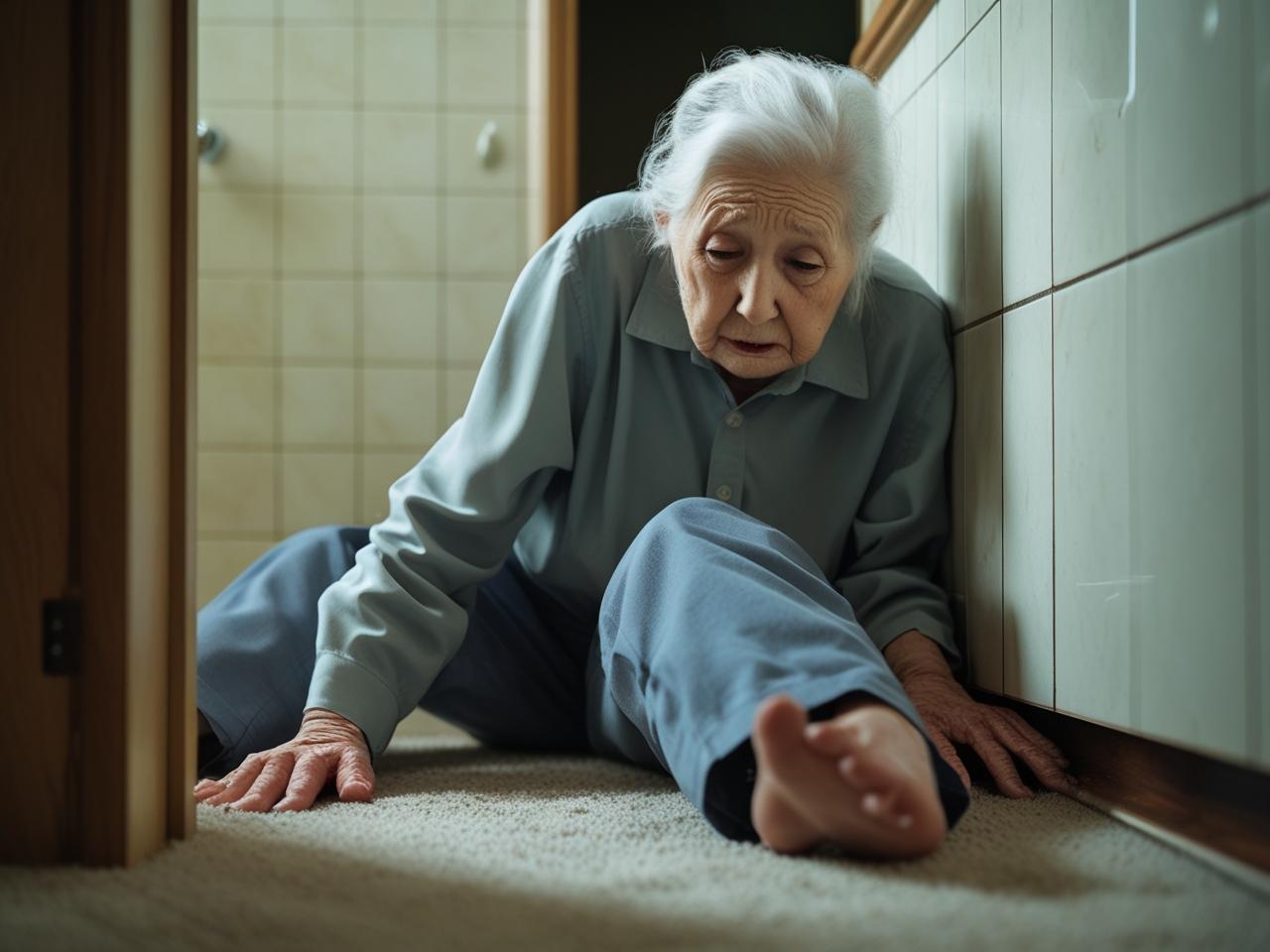
Falls are one of the leading causes of injury among older adults, often resulting in hospitalization, long recovery times, or loss of independence. In Canada, around 20% of seniors report falling each year, and falls account for 85% of injury-related hospitalizations among seniors.
The impact of a fall on seniors can be life-changing—but many of these incidents are preventable. With proper fall prevention strategies and support from elderly home care services, families can help aging loved ones stay safe and independent at home. In this guide, we explore why seniors fall, the consequences, and how home care can make all the difference.
7 Key Takeaways About Senior Falls and Fall Prevention
- Falls Are the Leading Cause of Injury in Older Adults
- Physical Decline and Chronic Conditions Increase Fall Risk
- Home Hazards Are a Common and Preventable Trigger
- Medication Side Effects Can Be a Hidden Danger
- Fear of Falling Can Make Things Worse
- Fall Prevention for Seniors Starts with Simple Changes
- Home Care Services Play a Vital Role in Fall Prevention
Whether you’re looking for home care in Edmonton or just want to understand how to keep your aging loved one safe, this guide will walk you through the why, the impact, and most importantly, what you can do to prevent falls before they happen.
Why Falls Are So Common Among Older Adults
As we age, a lot changes, and not just the color of our hair or our daily routines. Our bodies shift in ways that can quietly increase the risk of falling. For many older adults, what used to be simple, like stepping over a rug or getting out of the shower, can suddenly become hazardous.
Here’s why falls happen so often in seniors:
1. Physical Changes
Muscle mass naturally decreases with age, and joints can stiffen. Add in slower reflexes and balance issues, and even a minor misstep can lead to a serious fall. This is why regular movement and mobility support at home can make such a big difference.
2. Chronic Health Conditions
Conditions like arthritis, diabetes, stroke, and Parkinson’s can affect coordination and strength. Vision and hearing changes can also impair depth perception and reduce awareness of potential obstacles.
3. Medication Side Effects
Some medications, especially when taken together, can cause dizziness, confusion, or low blood pressure. That’s where medication reminder services and regular reviews with a doctor come in handy. Forgetting a dose or doubling up by accident can be a hidden fall risk.
4. Home Hazards
Loose rugs, poor lighting, and cluttered hallways might seem like small things, but they’re often the culprits behind serious falls. Housekeeping services for seniors and simple home updates like grab bars or night lights can go a long way.
5. Fear of Falling
Ironically, after one fall, many seniors become so afraid of falling again that they reduce their activity. This leads to weaker muscles and poorer balance, making future falls more likely. It’s a cycle that caregivers and family members can help break by encouraging movement and offering personal care support when needed.
The Impact of Falls on Seniors and Families
A fall isn’t just a stumble. It can be a turning point. For older adults, one fall can lead to months of recovery, permanent loss of independence, or even the need for full-time support. And for families – It can change everything.
Physically, falls are a major cause of serious injuries like broken hips, head trauma, and fractures. Many seniors end up hospitalized or require long-term care after a fall. In fact, in Canada, falls account for 85% of injury-related hospitalizations among older adults, and 35% of those hospital stays involve a hip fracture, a serious injury that often leads to long-term care placement or permanent lifestyle changes.
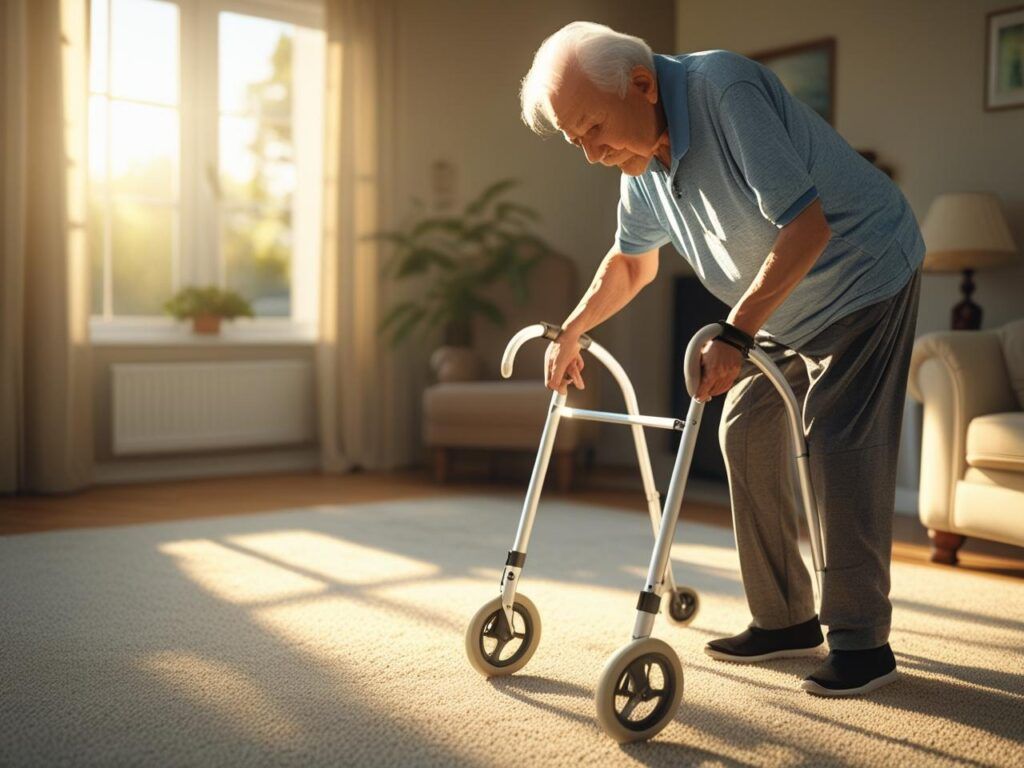
Emotionally, falls often shake a person’s confidence. Someone who used to move about freely may become more hesitant, anxious, or even depressed. The fear of falling again can keep them from doing everyday things like walking outside or bathing, which can lead to isolation and further physical decline.
For families and caregivers, the impact is just as real. After a loved one falls, there’s often a scramble to adjust schedules, arrange doctor appointments, and figure out what kind of care is needed moving forward. In many cases, people begin searching for a reliable home care provider or even considering respite care services to help share the load.
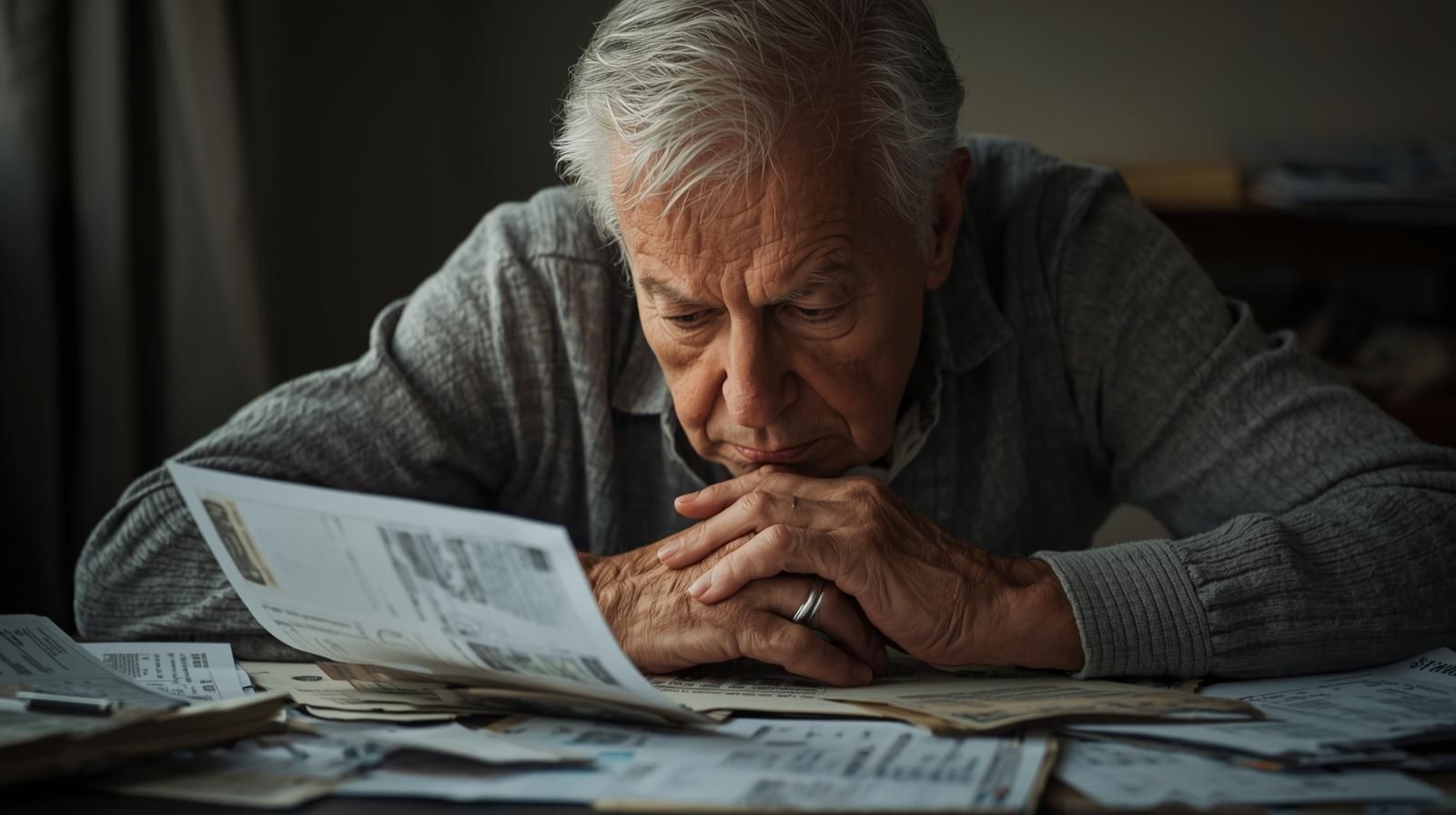
There’s also the financial side. Hospital stays, rehab, medications, and in-home equipment like walkers or stair lifts aren’t cheap. Some families end up hiring extra support, such as personal support workers or medication management services, to prevent future incidents.
The bottom line is that a fall doesn’t just bruise the body. It ripples through someone’s whole life, and the lives of those around them. That’s why prevention is so important. So how can we reduce the risk before it becomes a crisis?
How to Prevent Falls in Older Adults
The best time to prevent a fall is before it ever happens. Fortunately, fall prevention doesn’t have to be complicated. It’s often about making small, thoughtful changes that add up to big protection.
Here are some of the most effective ways to lower fall risk for older adults:
Make the Home Fall-Safe
Start with the environment. Simple updates can go a long way: install grab bars in bathrooms, add night lights in hallways, remove area rugs, and make sure stairs are well-lit and clutter-free. Many families choose to bring in housekeeping services for seniors or light cleaning help to keep spaces safe and organized.
Support Mobility and Strength
Staying active is key. Regular movement helps keep muscles strong and balance sharp. Walking, stretching, or even gentle yoga can make a difference. If mobility is already limited, consider mobility support at home or hiring a personal caregiver for daily living assistance.
Stay on Top of Medications
Medications that cause dizziness or fatigue can quietly increase fall risk. Using a medication reminder service or working with a home care provider to manage prescriptions helps prevent mix-ups or skipped doses. Some seniors benefit from pill organizers or even reminder calls to stay on track.
Nutrition and Hydration Matter
A well-balanced diet supports bone health, energy levels, and focus. Don’t underestimate the importance of meal preparation, especially when a senior lives alone. Companion care or in-home wellness care can ensure they’re eating well and staying hydrated.
Use Personal Care Services When Needed
Sometimes, just getting in and out of the shower can be risky. That’s where home personal care services come in. A personal support worker can assist with bathing, dressing, toileting, and other daily hygiene support tasks that might otherwise lead to slips or stumbles.
Regular Health Checkups
Vision and hearing changes often sneak up on people. A missed curb or unheard warning can result in a serious fall. Encourage routine checkups to catch any changes early.
Fall prevention is a team effort. It’s about making sure older adults feel confident, capable, and supported, without making them feel fragile or overly dependent. And when done right, these steps can actually boost independence.
Role of Caregivers and Families in Fall Prevention

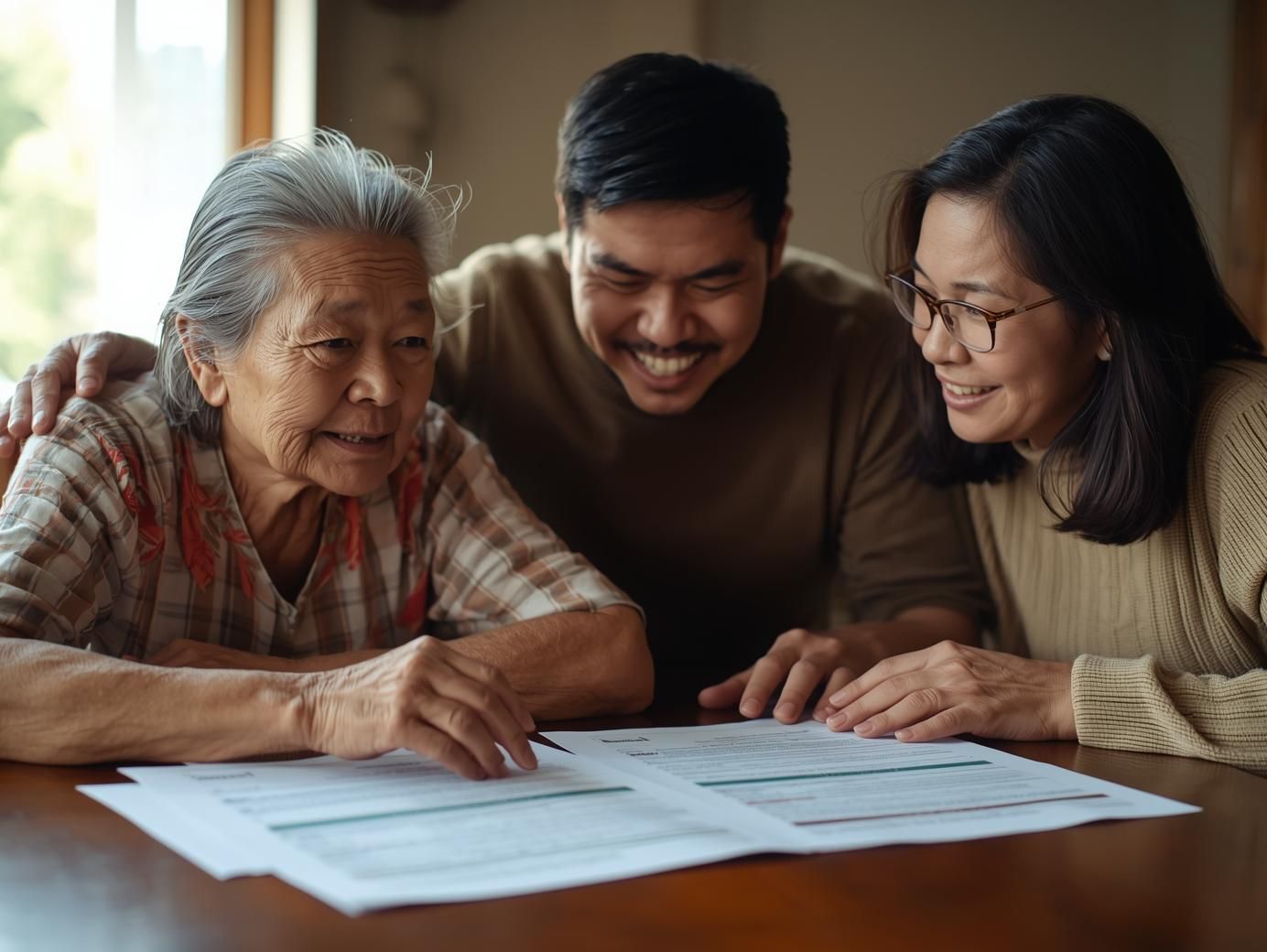
No one prevents falls alone. Behind every safe and supported senior is a network of family, friends, and caregivers who help keep things steady, literally and emotionally.
One of the most important things families can do is pay attention. If your loved one seems unsteady, complains of dizziness, or has trouble moving around, don’t brush it off as just “getting older.” These are early signs that some kind of support might be needed.
Check the Home Together
Do a walk-through of the home. Look for tripping hazards, poor lighting, or furniture that’s hard to navigate around. Sometimes just moving a coffee table or adding a motion-sensor light makes a difference. Consider bringing in a home care cleaning service or light housekeeping help to keep walkways clear and surfaces safe.
Encourage Movement Without Pushing
It can be tricky encouraging someone to stay active without making them feel pressured or unsafe. This is where companion care or personal care services can offer a gentle balance. A personal support worker can help with mobility and daily routines while offering reassurance and consistency.
Support With Medications
If your loved one is managing multiple medications, consider a medication reminder service or help with pill organizers. Even just having someone check in to ask “Did you take your meds today?” can prevent side effects that lead to falls.
Seek Respite When You Need It
Caregivers can’t pour from an empty cup. If you’re doing this work day in and day out, respite care services or temporary in-home caregivers can give you the break you need, without compromising your loved one’s safety.
Keep the Conversation Open
Some older adults are embarrassed to admit they’ve fallen or feel anxious about losing independence. Talk often, and listen closely. Reassure them that bringing in a little help, like home care services or daily living assistance, doesn’t mean losing control. It means gaining peace of mind.
When caregivers and families work together, fall prevention becomes part of everyday life; not an overwhelming checklist. And that support can be the difference between fear and freedom for someone you love.
Conclusion: A Safer, More Supported Tomorrow
Falls may be common, but they’re not inevitable. In fact, the number of reported falls among Canadian seniors rose from 865,000 in 2008–2009 to over 1 million in 2018–2019, a clear sign that proactive care matters more than ever. However, falls can feel like they come out of nowhere, but most of the time, they don’t. They’re the result of small risks that add up over time. And the beautiful thing is, we can do something about it.
Whether it’s clearing clutter from the hallway, arranging for a personal support worker to assist with daily tasks, or simply having an honest conversation about changes in mobility, these steps matter. They build safety. They build trust. And they help our aging loved ones stay in the homes they love, for longer.
If you’re navigating fall prevention for a parent, grandparent, or client, know that you’re not alone. Support is out there, from senior home care services in Edmonton to companion care, medication reminders, and respite care when you need a break.
With the right plan in place, your loved one can stay upright, independent, and confidently living life on their terms.